Andrew RowatClockwise from right:
Andrew RowatClockwise from right:Most amazing train ride: Front seat on the train to the Sacred Valley. (on the way home, there was a fashion show on the train…)
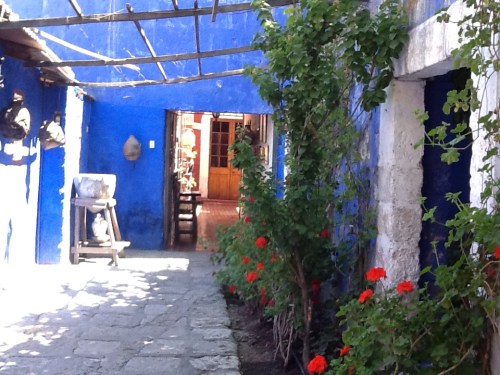
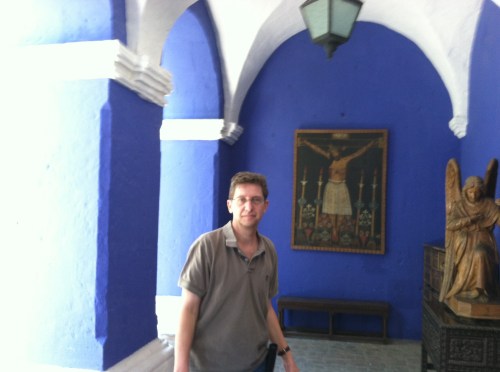
Most dazzling monastery: Santa Catalina, Arequipa 
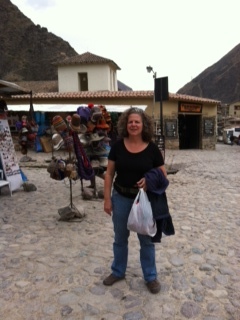
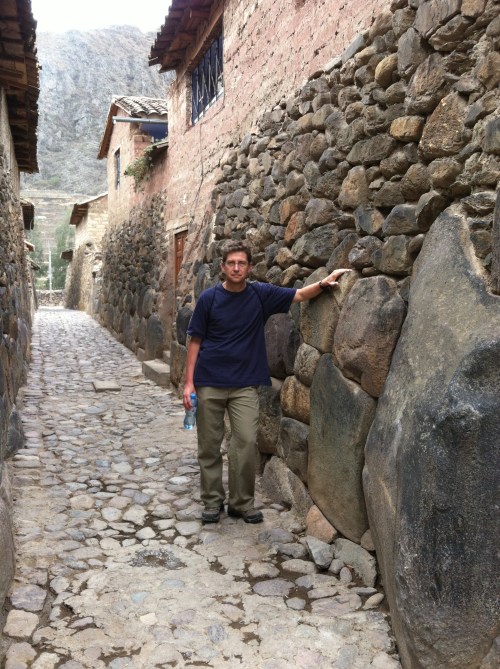
Best old world/Inca village with most intense cobble stoned lanes: Ollantaytambo 
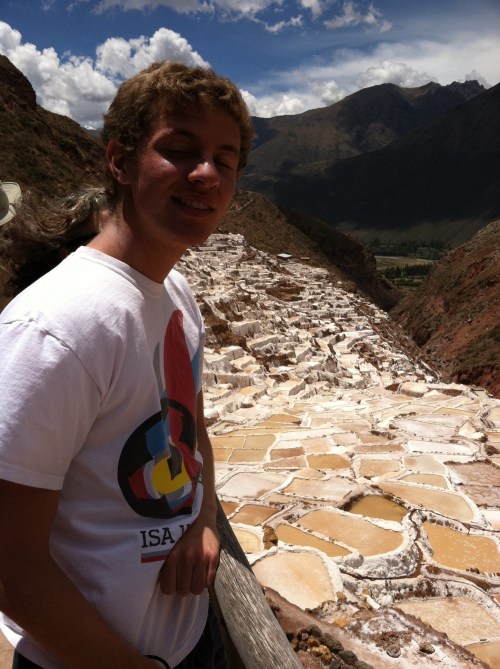
Most bizarre landscape: the salt pans of Salinas and terraced circles of Moray

Best religious site with skulls and boxes of (human) bones: San Francisco Monasterio in Lima
Best church: That’s a tough one, in Cusco – the Cathedral and the Iglesia de Compania de Jesus and the church in San Blas. or the Iglesia de la Compagnia in Arequipa.

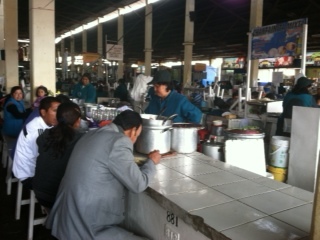
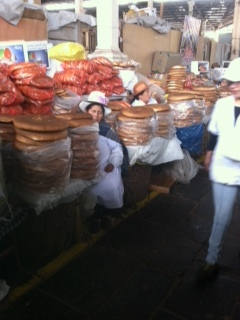
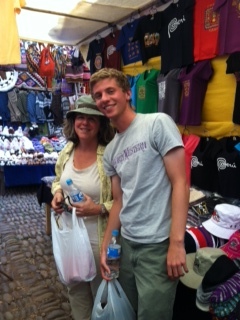
Best market: Also a hard call. Pisac, Arequipa (below) and Cusco are strong contenders

Best folk art: Artesanias Las Pallas in Lima’s Barranco neighborhood
Best contemporary crafts gallery: Dedalo in Lima’s Barranco neighborhood
Best quality Andean Textiles: Centro de Textiles Tradicionales del Cuzco, on Av. El Sol or Shop of the Weavers of the Southern Andes on Tullumayo in Cusco.
Best hidden museum: Museo de Arte Popular, Cusco
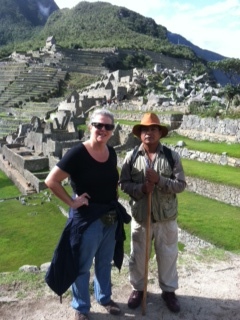
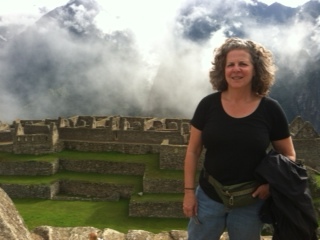
Most spectacular site/ruins: Machu Picchu, hands down
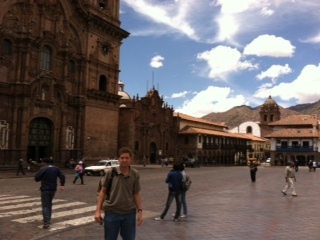
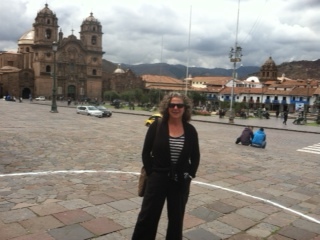
Grandest plaza: Toss up between Cusco and Arequipa
Best service at a hotel: Apu Lodge, Ollantaytambo 
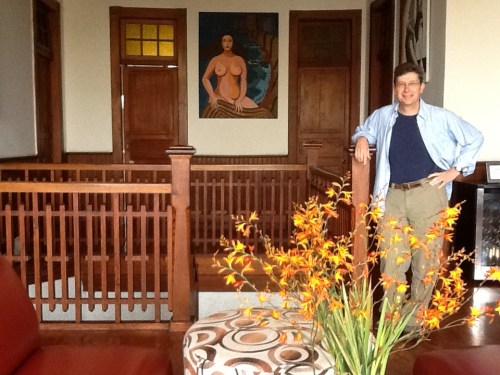
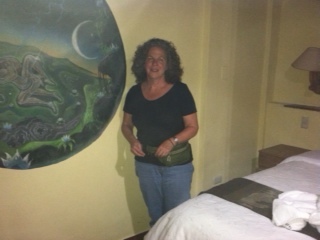
Best art at a hotel: Second Home Peru, in Lima
(below)


Most ancient-feeling hotel: La Casa de Melgar, Arequipa
Best hotel to bring earplugs: Ninos Hotel in Cusco, lovely courtyard but carries sound especially people wandering through at 5:30 a.m.

Filed under Peru
Thinking back on our two week trip to Peru, there’s not much I would have done differently. Remarkably, all five of the hotels we stayed at were winners – and each distinctive; all the flights we took worked out (with only a few minor delays); some restaurants were better than others (which is to be expected) but none were awful; we liked all the cities/villages we visited a lot! So just a few lessons learned:
– It pays to book hotels early. We stayed at five great places – all reasonably priced (we averaged $70 a night), clean, attractive, unique. They were also full – so I am glad I booked them several months in advance, which wasn’t really a problem since there weren’t onerous cancellation penalties and I only had to pay in advance for one hotel.
– It also was wise to make reservations early at several restaurants, especially the really popular ones in Cusco like Cicciolina and Limo (I was particularly glad with Limo that I requested a table with a view in the room overlooking the stunning Plaza des Armes. One woman who tried to sneak one of these tables was immediately shooed back to the rear room, without the view…). But several restaurants – especially the more mediocre ones – didn’t require a reservation.

the lovely courtyard outside our room at the La Casa de Melgar, built in the 18th century in Arequipa (where we watched the U.S. Presidential Election.)
– I am very glad we did not rent a car. Peruvian drivers are very aggressive and the roads, especially in countryside like the Sacred Valley, weren’t the best. Hiring taxis and drivers was easy and pretty affordable. We even rode twice in a crazy contraption – sort of a rickshaw with a motorcycle underneath it called a mototaxi. Wow was that a noisy and bumpy and fun (and yes, probably dangerous) ride. (And cheap – cost 2 soles or about 75 cents to go a few miles)
– Although I was tempted to add one more stop to our itinerary – the Amazon or Puno/Lake Titicaca – five places in 14 days was plenty, as was three domestic flights (lima-to-Arequipa; Arequipa-to-Cusco; Cusco-to-lima). The flights were pretty pricey too (about $175 per). We could have maybe stayed one less day in Ollantaytambo (we stayed four days) – but it was nice to dig in a bit and the Apu Lodge there was where we felt the most at home of all the places we stayed. I also think we may have largely avoided altitude sickness by hanging out for several days in the lower-altitude Sacred Valley.
– I think D and I each had a little altitude sicknesses, with symptoms like a headache and stomach upset but nothing debilitating. I did buy some coca leaves right after we landed in cusco and started chewing them – and I also drank several cups of coca tea and later Manzilla tea (chamomile). Who knows if these helped but maybe?
– Skip a meal or two. We aren’t used to eating big meals every night let alone for lunch and dinner – so after a few days we learned to either skip a meal or share an entree at dinner. One night, after a large lunch with a Peruvian friend, we just had a plain roll for dinner. And that was just fine. Overall the food was excellent and varied – both the casual cafe/traditional Peruvian stuff and the fancier “novoandina” fusion fare. Although I appreciated the inventiveness of the fusion food, I often preferred the simpler traditional Peruvian food (and my digestive system did too.) Favorite Peruvian food – Chicarrones (deep-fried but not battered pork chunks), aji de gallina (shredded chicken in a creamy orange sauce that we’re told was spicy walnut sauce but I never saw walnuts and some was spicier than others) and Chupe de camarones – buttery, bisque with seafood. I was less impressed with the tacu tacu (panfried rice and beans). big-kerneled, starchy Andean corn, and rocoto rellena (stuffed red peppers). Cuy (guinea pig) isn’t bad if well-disguised. Ditto alpaca. Lomo Saltado – an asian-tasting beef stir fry – is the grilled cheese of Peru (i.e. a pretty safe selection). Causa (mashed potatoes sculpted around seafood or chicken or vegetables) was a bit rich for my tastes…As far as drinks, Chica morada – a deep purple drink made of corn – was a mixed bag. I liked the less sweeter versions I tried. For beer, I preferred Cusquenia. And we had excellent Pisco Sours everywhere. I never did try Inka Cola – couldn’t get past the color (urine-yellow) or the description that it tastes like bubble gum. (I did buy some Inka cola t-shirts as gifts though.)
Dinner at the famous Astrid y Gaston in Lima
More tomorrow…
Filed under Peru
Here are some highlights from our dining adventures in Cusco:
El ayllu – delicious sandwiches with sliced salted pork on a sweetish roll, served warm; a flakey rectangular pastry with a little cooked caramel in the middle that tasted like burnt sugar, in a good way. Charming old fashioned neighborhood place with waiters in uniforms. clearly popular with locals who shopped for pastries at the counter. I later returned to try the flan which was excellent. Not too sweet and just the right consistency, not too creamy or rich.
Juanito’s – hipster sandwich shop that uses classic peruvian ingredients like deep fried pork known as chicharrones to make fantastic sandwiches. a Subway this is not. It is on a little street in the hip happening San Blas neighborhood. We had vegetables con pollo, lechuguilla, tomatoes, zuccini, cebello Blanca, pimentos, mushrooms, shredded chicken, and Pan Con Chicharrones, with cajole frito, sweet potatoes, onions, 15 soles.
limo– classy novoandina restaurant overlooking the main plaza (and I managed to snag a table on the enclosed balcony with fantastic views of the churches, made even more dramatic by a lightening storm that suddenly broke out (our first real rain of the trip); we split two sides, deep fried balls of cheese and yucca served in a delicious creamy orange colored sauce; spicy shrimp covered with a paprika-like spice and served on a skewer with an assortment of dipping sauces, one too spicy to eat; a delicious aji de gallo (sp) the traditional chicken
dish prepared, we suspect, somewhat untraditionally in a creamy orange colored sauce with sticky rice; excellent pisco sours.
Don Esteban and don padro – hip coffee and bakery with what look like real croissants ( we will find out tomorrow at breakfast).
The cross keys pub – a famous British ex pat place that was fun for a beer and eavesdropping.
Cicciolina – we can see why this is considered to be Cusco’s best restaurant. It’s a chic but cozy dining room and tapas bar with very inventive food. We shared an appetizer of bbqed pink chicken livers with lots of local cracked red pepper served on a bed of arugula with mangos, shaved fennel, dried beet chips (at least that’s what we think they were) and a Dijon vinaigrette for 23 soles ($9 about). i had a variation of pasta puttanesca which I make a lot at home. This was pasta with tomatoes, capers, toasted anchovies and fresh basil, for 34 soles ($13) was tempted by the black squid pasta with shrimp but worried the coconut lemongrass sauce might set my still recovering stomach back. D had delicious lamb drizzled with a warm mint scented sauce and a sweet reduction of red wine reduction served with puréed fava beans with rosemary and bacon for 45s/$17. Dessert was a crazy rich concoction, basically two small dishes, one filled with super creamy chocolate mousse with rock salt from the salt pans we visited in the Sacred Valley area of Maras and chocolate from Quill abambas jungle, another with a tan lucaman cream (that resembled caramel) concocted for us “to enjoy the wild and bitter flavors of Peru.” The homemade black olives were super salty and superb.
Jack’s Cafe – After a strenuous hike up to Sacsaywaman, the impressive Incan fortress high on a hill above the city, we just happened to hike back exactly to the street where this Aussie-owned cafe is located so we joined the line and after a short wait, joined lots of foreigners eager for some more familiar food. The lemonade was just like home. So was the excellent BLT and I had a very good sandwich on thick homemade bread of cream cheese, smoked trout, guacamole and capers.
Pacha Papa – Excellent traditional Peruvian food in the shadow of the lovely church in San Blas neighborhood. We had dinner in the outside patio,very good chicarones for an appetizer; then for entrees Aji de gallo and lamb cooked nearby in open pit by chef.
We had one of our best meals of the trip and definitely the best meal of our Sacred Valley segment at a small place on a back street in the town of Urubamba called El Huacatay. We have a chef in Boston who has Peruvian roots and a Peruvian restaurant called Taranta to thank, since our guidebook Lonely Planet didn’t include it. Behind a wooden door on a dark narrow street the restaurant opens up into a small courtyard where the kitchen is to the left and a small two room building, very cozy, very busy with a large German group and in our room another smaller group of Germans and Peruvians.
Here is what we ate:
potato coconut cream soup, yellow potatoes with two chili dressed shrimp on a skewer and crispy wonton threads
Caprese salad “Peruvian remix”, sliced tomatoes with Medan cheese fried in a kiwicha crust, served with Andean mint, dried yacona nd a carob vinegarette.
Mayala Frita, roasted beef shirt with a pachamanca sauce, a quail egg over green colored rice, lightly fried potatoes and a mint onion salad.
Sautéed shrimp in a mild red chili paste, with orange slices, creamy mashed potatoes with. Risky avocado slices fried in panko.
The photos below are of Cusco: me on the balcony of the church in the San Blas neighborhood, which is deceptively modest on the outside. Inside it has a stunningly ornate gold altar, an equally ornate wood carved pulpit ( complete with a skull said to be that of the altar’s carver.)
and many beautiful Cusco school paintings and sculptures; another of D with the alpacas roaming around at Sacsaywaman, the imposing Inca fortress above the city; the last is of me catching my breath after the strenuous uphill climb to Sacsaywaman from downtown Cusco.
Another day, another beautiful city in Peru, our last for this trip, alas. We are also staying at a lovely old hotel, the Ninos Hotel (the one on Meloc Street). It is run by a nonprofit that uses the proceeds to support needy children AND it turns out to also be very charming and affordable. Right now I am sitting Ina n adirondack style chair on the second floor terrace overlooking the hotel’s charming courtyard which has stone arches, wooden balconies, a gurgling fountain and lots of potted plants. This is an old colonial building which like several of the places we have stayed in Peru, offers little clue from the outside of the world within. From the street it is a stone building with a big green wood door with lots of ornamental brass thingamajigs. Our room is somewhat spartan but in a chic way, with well chosen tables, beds, light fixtures. Not bad for $50 a night.
Cusco reminds us a little of Arequipa because of the main square which is dominated by a cathedral and Jesuit church and rimmed by arcade-style buildings lining a lovely park. But the architecture is different. The cathedral and church are not the white Arequipa stone but a light brown stone. There are also lots of narrow lanes made of round cobblestones and big flat stone blocks leading up from the plaza into the pretty artsy neighborhood of San Blas, which is fun to explore, with lots of little shops selling baby alpaca sweaters, handmade jewelry, textiles from the amazon, handmade macramé and stone necklaces sold by Anglo kids who display their stuff on the sidewalk. The setting for Cusco is also very dramatic. It is set into a valley with mountains gently rising off in the distance on all sides. At times the city reminds me of Greece (especially the San Blas lanes) or of Spain (especially all the lovely plazas sprinkled around downtown) or of Florence (given all the art and artists around.)
The sights we have seen:
– The Jesuit church on the main plaza and the cathedral, both which have astonishingly ornate gold covered altars. The cathedral has famous “cusco school” paintings which are an interesting mix of European style art and Andean influences. This includes the famous Last Supper painting where Christ and friends are dining on, among other things, cuy (aka guinea pig).
– the main market, Mercado San Pedro. I never tire of wandering around the markets in these towns (or just about any town) because you see how people live, what they buy, what they sell, what they eat (chicken soup served on big porcelain bowls was a popular item at lunch, with people sitting on benches in front of the stands where,the soup was prepared on the spot, holding the bowls and eating.)
– Qorikancha, another impressive Inca ruin that the Spanish build a colonial church and convent right on top of so it is an odd hybrid architecturally.
– a terrific textile museum/shop selling woven items from different villages. It also had a really interesting exhibit on how the weavers work, all by hand.
– the museum of popular art, a hidden gem, that displays the folk art of artists from about the 1930s onward, all kinds of tableaus of Christian scenes and everyday life scenes with figures made of clay or tin or silver or bronze. One Christ on the cross was made of cuy bones (aka guinea pig)’
More tomorrow on the food…
Filed under Peru
Pretty much everything I read about Machu Picchu as far as logistics matched up when we finally got there:
– Aguas Calientes, the gateway town to Machu (think Estes Park to rocky mountain national park) was a bit honky tonk but not without charm. we sat in the Plaza and had fun people watching and playing “name that nationality” since people come there from all over the world. We really liked the place we stayed, Gringo Bill’s, which used to be an old backpacker hotel but now feels like a mix between that and a boutique hotel, complete with psychedelic wall murals ( some mildly pornographic like the one in our room of a couple in the act) and plush bed linens. The place was laid out all helter shelter with rooms in odd places and open air areas scattered throughout. Our room had a balcony opening onto the sidewalk. It was not as noisy as feared. just a little. They also served the best scrambled eggs to date (and we have been served them every morning of this trip.) We had a good dinner at Indio Feliz, whose every inch was decorated with eye catching stuff. Highlights include lots of on the house items/sides including homemade potato chips and bread rolls with density (the Peruvian bread is airier). we had some cusquenia (beer) and a small pizza at Inka Wasi, a little away from the tackier stuff and across from the swanky El Mapi Hotel (think The James Hotel.) The town also has an other worldy feel because of its setting, a small patch of flatland, or flatter land, surrounded by huge conical shaped mountains.
– Machu Picchu was best at 6 am when there were relatively few tourists and the sun broke through the clouds draping an intense light on the green lawns of the ruins and the trademark jagged mountain looming over them. It was indeed a good idea to get a guide to explain things since there is little else In the way of explanation. We found Felix (or more accurately he found us) right after we got off the bus from Aguas and we think we did well. His English was excellent (this isn’t always the case with guides as we found out at Pisaq, where our guide couldn’t really go off script in English so she couldn’t answer questions) and he seemed very
Knowledgeable (although we noticed that the content of the spiels varies by guide.) we paid $46 for -a two hour tour, plus Felix gave me his walking stick which I found invaluable when we hiked to the Sun Gate, which was a perfect 2 hour hike, not too rigorous, although I feel like I have been walking on cobblestones or jagged stones for days. and I have.
– we did bring in some water in a plastic bottle and some crackers, which is technically verboten but we weren’t alone. And we were discrete. There is a nice restaurant and a somewhat pricy snack bar outside the gate. you do have to pay one sole, about 38 cents, to use the toilet. Whatever.
– It did seem wise to buy the Machu Picchu tix in advance. a guy at our hotel ran into a problem when he tried to buy a tix in Aguas ( I think) because he didn’t have cash and no credit cards allowed. We bought the bus tix the nite before and didn’t have to wait long for a bus there or back.
– the place did get crowded by about 10 am and the crowds thickened soon after until early afternoon, when people left for lunch or town and the train ride back to Aguas.
– Peru rail was an adventure. On the way to Aguas from Ollantaytambo, we somehow landed amazing seats (there were assigned seats) right at the front of the car. It was like sitting in the front seat atop a double decker bus. I tried not to look too much at the rails in front of us. But the ride and view was spectacular, surrounded by high mountains, a rushing river with huge boulders to our left. They served us a little meal too. On the vistadome train the next day. (this is the train with windows in the roof so you can see the vista) the crowd was rowdier and there was an amusing floor show (aisle show?) In the train where two attractive railway attendants modeled variou alpaca items and one dressed like a scary Indian clown, if sorts, and danced with passengers. A far cry from Amtrak.
– Next stop…the best meal of our five days in the Sacred Valley. Stay tuned for the next installment…
Filed under Peru
too busy to blog yesterday. We were up at 5 am to be in machu Picchu by 6 and glad we did, since place was glorious at that hour with few tourists and the sun breaking through the clouds shrouding the jagged peaks all around us. More later since we are hitting the road again for cusco. here are some photos Not ffrom Machu Picchu. One is of the market in Pisac, another gringo bills hotel near machu, another of the street where our lodge is in ollantaytambo.
Filed under Peru
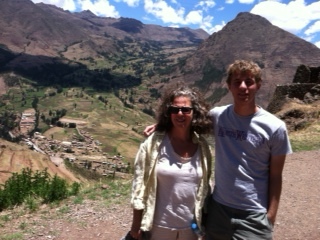
Full day in Pisac, first visiting the ruins and the the huge Sunday market. A lot of fun and activity, since we took a spectacular walk down the mountain from the ruins to the market over some rocky terrain, crossing right over some of the ancient stone terraces rising above the town. We had an excellent empanada pulled right out of a huge clay oven at Horno Tipico de Santa Lucia and the best brownie in the sacred valley at the Blue Llama. At the market we bought alpaca sweaters and mittens, a cute knit kids hat, a peru tshirt, an inca cola tshirt, a scarey knit face mask, pornographic inca playing cards, a cd of Peruvian flute music. We bartered a bit but we aren’t very good at it.
tonight we had dinner at mayupata, a somewhat upscale restaurant where Noah had alpaca grilled with miso sauce and I had a good loom saltada, a beef stir fry that seems a good bet when all else fails. Dirck wasn’t eating much. He has had an upset stomach and today a headache which leads me to think he had altitude sickness. Last night we ate at the heart cafe which is a do good place (it helps kids and abused women, I believe.) the food was mediocre, despite the good reviews we had heard. one thing I’ve learned is that the Peruvian version of the American and Italian staples we usually eat rarely resemble what we are used to. the pasta with tomato sauce ends up being sweeter than we are used to, the pizza has odd crust and cheese, the chocolate chip cookie is crumbly like an oatmeal cookie, the burrito tortilla has the texture of Ethiopian bread.
I have also learned that there are broken MasterCard machines all over southern Peru, nd sometimes broken Visa machines. allegedly. Basically the restaurants and shops don’t want to pay the credit card fee. Which is starting to irritate me because they have big signs on their doors touting their credit card use.
Filed under Peru